 ID
ID 中文
中文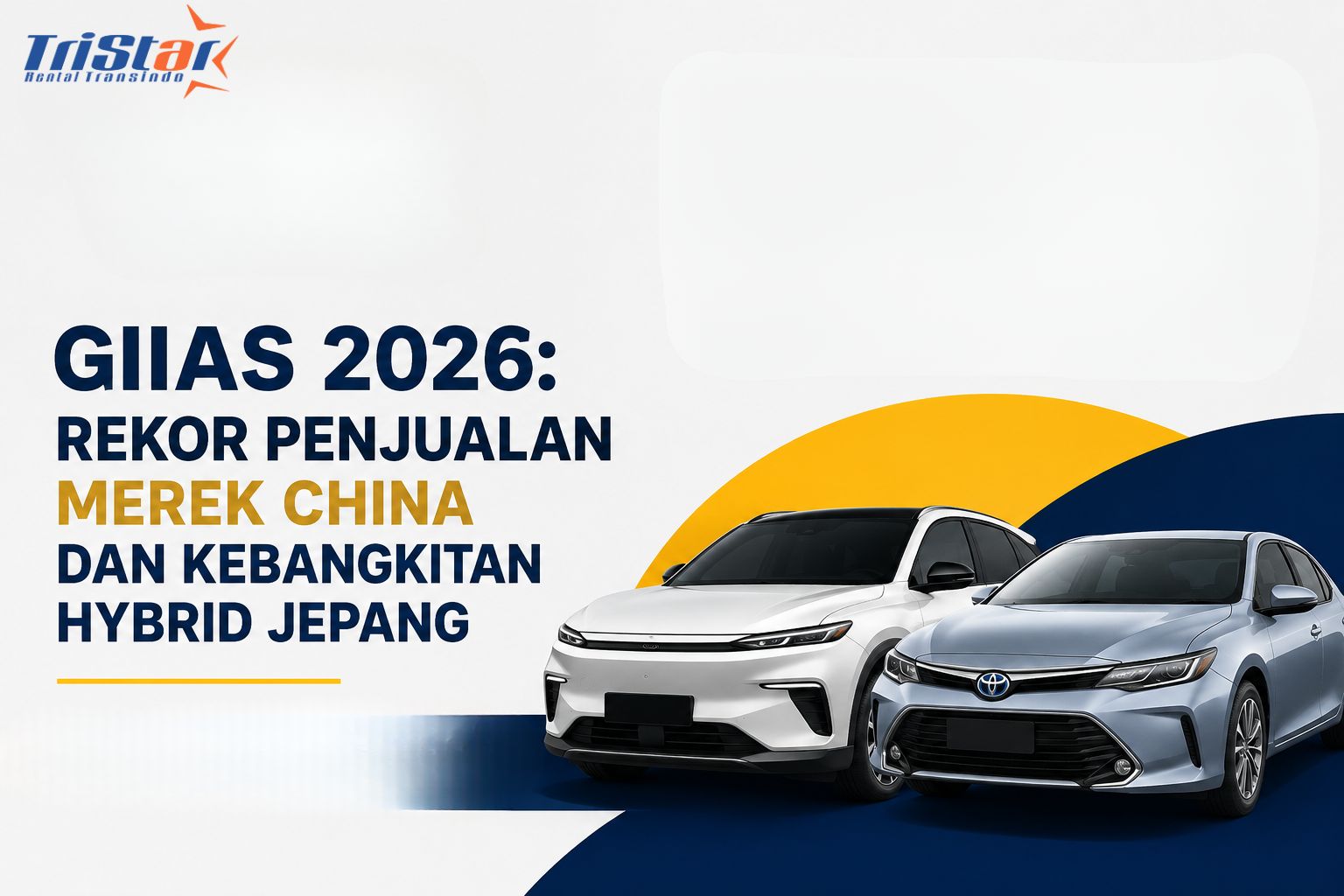
GIIAS 2026: Record-Breaking Sales for Chinese Brands and the Resurgence of Japanese Hybrid Technology
TANGERANG
– GIIAS 2026 at ICE BSD City successfully made history in Indonesia’s
automotive landscape through three major phenomena: the strong dominance of
Chinese brands, the resurgence of Japanese hybrid technology, and the launch of
iconic vehicles.
1. Massive Dominance of Chinese Automaker
Chinese manufacturers dominated the exhibition, recording a total accumulation of more than 21,000 SPKs. Although Toyota (Japan) ranked first in sales with 6,175 SPKs, BYD secured second place with 4,000 SPKs, driven by the BYD M6 electric MPV. Chery followed with 3,500 SPKs, largely contributed by the Chery Q series, while Wuling secured 3,290 SPKs through its affordable EV lineup.
2.
Japanese Hybrid Strategy Proves Successful
In
response to the growing presence of Chinese battery electric vehicles (BEVs),
major Japanese automakers successfully strengthened their position through Hybrid
Electric Vehicle (HEV) technology. Toyota once again became the
leading brand at the exhibition, driven by models such as the Innova Zenix
and Veloz Hybrid. Meanwhile, Mitsubishi recorded a total of 3,212
SPKs, with 1,000 units coming from its new XForce Hybrid.
3.
Debut of Iconic Vehicle Lines
This
year’s exhibition also became a stage for some of the most anticipated future
vehicles:
- Honda Super-One:
Honda’s first mass-market electric car in Indonesia, dubbed the “Electric
Brio” by netizens.
- Toyota Adventurer Lines: Featuring the debut of the bZ4X Touring, Land
Cruiser 300 Hybrid, and Land Cruiser FJ.
- Hyundai IONIQ 3:
Displayed specifically as a market study to measure consumer interest in
Indonesia.
Through
a combination of advanced technology from China, Japan’s growing strength in
hybrid technology, and global model innovations, GIIAS 2026 successfully
became a driving force behind the increasingly tangible transition toward a
more energy-efficient automotive industry in Indonesia.
Tristar
Rental is ready to be your trusted partner for corporate operational vehicles.